Exploring the Digital Evolution with Games Tgarchirvetech
Introduction
In the fast-paced digital era, games tgarchirvetech has emerged as a dynamic term representing the intersection of gaming innovation and advanced technology. It reflects how modern gaming experiences are evolving through immersive graphics, artificial intelligence, and cloud-based systems. From interactive entertainment to eSports and virtual worlds, games tgarchirvetech highlights how technology is reshaping how we play, connect, and compete. This blend of creativity and innovation continues to push boundaries, making the gaming industry more engaging, intelligent, and future-ready than ever before.
The Evolving World of Digital Play: A Deep Dive into the Future of Gaming
In the fast-changing landscape of interactive tgarchirvetech news by thegamingarchives entertainment, games tgarchirvetech stands out as a symbol of how far the gaming world has come. From simple pixelated adventures to photorealistic simulations, gaming has transformed into one of the most influential industries of the modern era. What was once a casual pastime for hobbyists has become a global phenomenon—spanning education, technology, art, and social connection.
From Arcades to Algorithms: The Journey of Gaming Evolution
The roots of gaming stretch back to the golden arcade days of the 1970s and 1980s. Those blinking machines defined an era where competition and camaraderie coexisted under neon lights. But over time, games tgarchirvetech represents the digital transformation that carried gaming beyond physical boundaries into immersive virtual worlds.
Modern developers use complex algorithms, artificial intelligence, and powerful engines to craft experiences that challenge imagination. Each generation of technology—from 8-bit processors to cloud computing—has expanded what’s possible. The nostalgia of early arcade culture still resonates, but the industry has grown into something far more vast, connecting millions of players across continents.
The Rise of Gaming Technology and Interactivity
The magic of gaming lies not only in entertainment but in technological innovation. Developers now use motion sensors, real-time rendering, and machine learning to create dynamic, responsive environments. With each leap forward, games tgarchirvetech encapsulates the merging of creativity and code—a synergy that transforms pixels into emotions.
Technological evolution has made storytelling more engaging and worlds more believable. Game physics replicate real-world mechanics, and lighting simulations mimic nature’s complexity. Every new title pushes hardware limits further, while cloud streaming and virtual reality make even high-end experiences accessible to all.
The Globalization of the Gaming Community
Gaming is no longer limited by geography or language. Online multiplayer platforms, esports, and social streaming networks have united players worldwide. What was once an isolated experience has turned into a shared digital ecosystem.
At the center of this interconnected revolution, games tgarchirvetech reflects how technology bridges cultures. Players from diverse backgrounds compete, collaborate, and communicate through shared virtual spaces. Games have become modern social networks where friendships form, rivalries thrive, and communities grow. This global accessibility has turned gaming into a universal language of creativity and challenge.
Storytelling as the Heart of the Modern Game
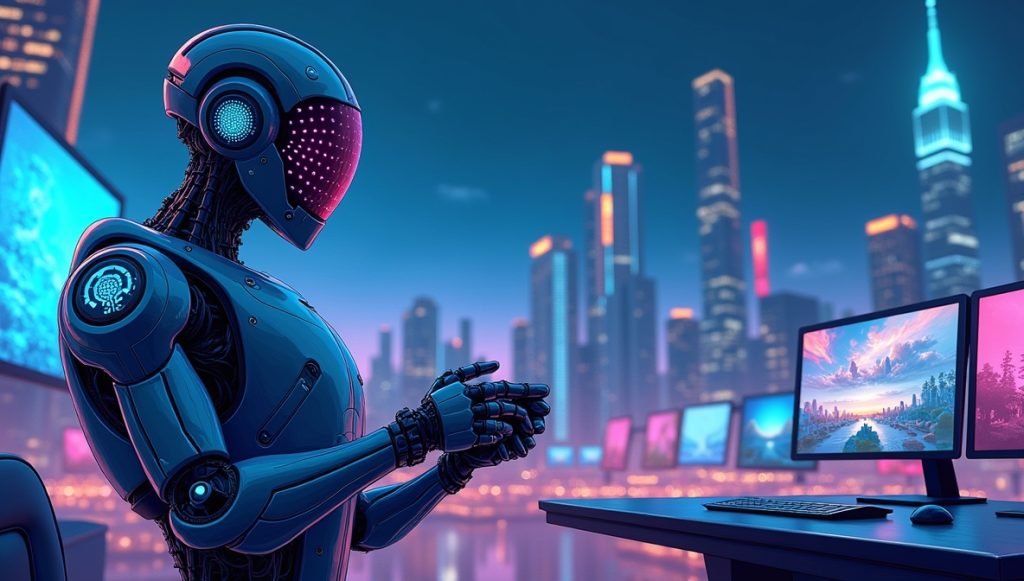
Modern gaming isn’t just about graphics or mechanics—it’s about storytelling. Developers now craft cinematic experiences that rival Hollywood films. Characters evolve emotionally, narratives branch into player-driven outcomes, and moral choices shape virtual destinies.
As games tgarchirvetech continues to evolve, narrative design remains the soul of this medium. Titles like “The Last of Us,” “Red Dead Redemption,” and “Cyberpunk 2077” show how games can make us feel empathy, loss, triumph, and reflection. The artistry of storytelling has elevated gaming from entertainment to a legitimate cultural form of expression—one that blurs the line between creator and audience.
Artificial Intelligence and Player Personalization
The integration of artificial intelligence has revolutionized player experiences. AI doesn’t just create smarter enemies—it personalizes entire journeys. Machine learning systems analyze playstyles to adjust difficulty, pacing, and narrative responses dynamically.
In this context, games tgarchirvetech represents the technological harmony between human intuition and digital intelligence. Developers are building systems that remember player decisions and evolve based on individual actions. These advancements not only enhance immersion but also redefine replayability, making each session feel personal and unique.
Esports: The Competitive Pulse of Modern Gaming
The gaming world has also evolved into a professional sport. Esports now draws millions of viewers, massive sponsorships, and prize pools that rival traditional athletics. Games like “League of Legends,” “Counter-Strike,” and “Fortnite” have transformed casual play into high-stakes competition.
At the foundation of this growth lies innovation—and games tgarchirvetech embodies that technological excellence. High-speed servers, advanced analytics, and virtual broadcasting platforms allow players to showcase their skill globally. Esports represents not only the future of entertainment but also a career path for the digital generation.
The Role of Indie Developers in Shaping the Industry
While major studios dominate headlines, independent developers are the heartbeat of gaming creativity. Indie creators explore unconventional mechanics, emotional storytelling, and niche genres that large companies often overlook.
Through the creative freedom showcased in games tgarchirvetech, indie developers prove that innovation doesn’t require massive budgets. With passion and vision, small teams create titles that resonate deeply—games that challenge conventions and expand artistic possibilities. Their courage to experiment ensures that gaming remains diverse and evolving.
Virtual Reality and Immersive Design
Virtual reality has long promised to blur the boundaries between the physical and digital worlds. Recent advancements have made that dream tangible. Players can now step inside fully realized universes, interact naturally, and experience presence like never before.
The technological strides captured by games tgarchirvetech demonstrate how immersion redefines engagement. VR headsets, haptic feedback suits, and motion tracking bring an unprecedented sense of realism. These innovations transform gaming into an experience that’s as sensory as it is emotional—allowing players to live, not just play, their adventures.
The Influence of Streaming and Gaming Culture
Streaming platforms have revolutionized how people consume games. Services like Twitch and YouTube Gaming have turned players into entertainers and audiences into active participants. Gamers no longer just play—they perform, narrate, and build digital identities.
The phenomenon reflected through games tgarchirvetech highlights how interactivity extends beyond gameplay. Viewers become part of the story through live chats, donations, and shared reactions. This symbiosis has created a new form of celebrity culture—where skill, personality, and community converge. Streaming has transformed gaming into a participatory spectacle, accessible to anyone with a connection.
The Economics of the Gaming Industry
The financial footprint of gaming rivals that of film and music combined. The market continues to expand, driven by console releases, mobile gaming, and microtransaction ecosystems. Each segment contributes to a global industry worth hundreds of billions annually.
Amid this economic landscape, games tgarchirvetech symbolizes the innovation fueling continued growth. Subscription models, cross-platform play, and digital distribution have reshaped monetization strategies. While debates over in-game purchases persist, one truth remains clear: gaming’s business potential continues to evolve as rapidly as its technology.
Social Impact and Educational Potential
Beyond entertainment, gaming serves as a tool for learning, empathy, and problem-solving. Educational games teach math, science, and language skills through play. Simulations train professionals in medicine, aviation, and engineering.
By incorporating the creativity of games tgarchirvetech, educators and developers collaborate to design experiences that inspire curiosity. Games foster critical thinking, teamwork, and resilience—skills increasingly vital in modern life. The industry’s social contribution extends beyond profit, empowering individuals to learn and grow in engaging, interactive environments.
Diversity and Representation in Gaming
In recent years, gaming has faced scrutiny for inclusivity and representation. The call for diverse characters, stories, and voices has reshaped development priorities. Players seek worlds that reflect their identities and values, challenging studios to move beyond stereotypes.
As this cultural movement progresses, games tgarchirvetech mirrors the industry’s transformation toward inclusivity. Developers now feature protagonists of varied backgrounds, genders, and cultures. Representation not only enriches storytelling but also broadens the audience—proving that everyone deserves to see themselves in the worlds they explore.
Cloud Gaming: Breaking Hardware Barriers
Cloud technology has revolutionized access to games. Players no longer need high-end PCs or consoles; streaming services allow instant play on nearly any device. This democratization of access represents one of the most significant leaps in the industry’s history.
The advancement represented by games tgarchirvetech showcases how cloud infrastructure eliminates limitations. With faster internet speeds and reduced latency, gamers experience seamless performance anywhere. This shift transforms gaming into a universal platform—available across mobile devices, televisions, and browsers—making entertainment truly borderless.
Sustainability and Ethical Responsibility
As digital industries grow, so does their environmental footprint. Data centers, hardware production, and electronic waste present new challenges. Sustainability has become a pressing concern for developers and players alike.
The environmental awareness echoed in games tgarchirvetech highlights how the industry can innovate responsibly. Companies are adopting greener manufacturing methods, energy-efficient consoles, and recyclable packaging. Ethical sourcing of materials and carbon-offset initiatives signal a collective effort toward a sustainable gaming future.
Psychological Dimensions of Gaming
Gaming influences human psychology in complex ways. While some worry about addiction or escapism, research also shows positive outcomes—improved cognition, stress relief, and creativity. The emotional engagement and achievement systems within games stimulate motivation and resilience.
Through its evolution, games tgarchirvetech embodies the psychological depth of modern play. Developers are designing experiences that promote mindfulness, emotional healing, and community belonging. This balance between entertainment and well-being showcases gaming’s potential as a transformative human experience.
The Role of Artificial Worlds in Society
Virtual environments are becoming extensions of real life. People socialize, work, and even attend concerts within digital spaces. Gaming has evolved into a cultural infrastructure—a digital mirror reflecting society’s aspirations and anxieties.
Within this new paradigm, games tgarchirvetech symbolizes the integration of virtuality into daily existence. As the metaverse concept gains traction, gaming serves as both foundation and frontier. It teaches society how to coexist in blended realities where imagination drives economy and identity.
Challenges and Controversies in the Gaming Sphere
Every industry faces hurdles, and gaming is no exception. Issues like data privacy, microtransactions, and corporate monopolization generate debate. Players demand transparency and fairness, pushing companies to maintain ethical standards.
The lessons underscored by games tgarchirvetech show that growth without accountability can erode trust. Developers must balance profitability with integrity, ensuring players remain partners—not products—in the evolution of interactive entertainment. These conversations fuel progress, guiding the industry toward maturity and inclusivity.
The Future of Game Development
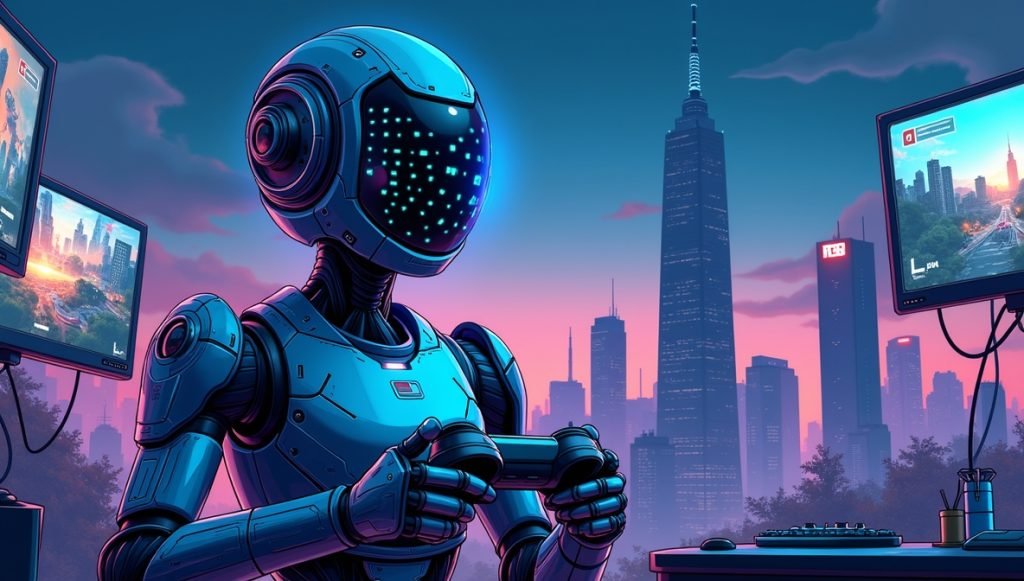
Looking ahead, gaming’s future appears boundless. Artificial intelligence, augmented reality, and quantum computing promise even greater immersion. Developers are exploring neural interfaces that respond to emotion, creating experiences that adapt to player mood and thought.
In this visionary context, games tgarchirvetech stands as a symbol of technological artistry. Future titles will merge sensory feedback, adaptive storytelling, and real-time social integration, blurring the line between creator and consumer. The next frontier of gaming will not only entertain—it will evolve alongside humanity’s technological growth.
The Artistic Legacy of Gaming
For decades, debates raged about whether games qualify as art. Today, the answer is undeniable. The design, music, narrative, and visual mastery of modern titles rival those of traditional art forms. Museums and galleries now celebrate gaming as cultural heritage.
This recognition reinforces what games tgarchirvetech represents: creativity as a bridge between technology and emotion. Artists, writers, programmers, and composers collaborate to craft multisensory experiences that inspire just as much as they entertain. Gaming is no longer a pastime—it’s a living art movement defining the digital century.
Human Connection Through Play
At its heart, gaming is about connection. Whether through co-op missions, online tournaments, or shared stories, games bring people together in ways few mediums can. They foster empathy, teamwork, and shared memories that transcend time and space.
The spirit embodied by games tgarchirvetech captures this unifying essence. In an often divided world, gaming provides a space where cooperation, creativity, and competition coexist. It’s a reminder that play isn’t just leisure—it’s a language that unites humanity across differences.
Conclusion: A Digital Universe Without Limits
The story of gaming is one of evolution, imagination, and innovation. What began as simple code now defines culture, education, and technology. Each generation of players contributes to an ever-expanding digital legacy, one shaped by passion and possibility.
Through the technological and creative journey of games tgarchirvetech, we see the future of interactive art taking form. Gaming is not merely a reflection of human advancement—it’s a driver of it. As the boundaries between reality and virtuality continue to blur, one truth stands clear: the spirit of play will always fuel progress, reminding us that creativity, connection, and curiosity define what it means to be human.